


How to get started

01
Tell us what you're looking for

Answer a few questions about your preferences, insurance, and care needs to help you get started.

Start your search
02
Find the provider that's right for you

Browse therapists and psychiatric providers in your area or get matched based on your unique needs and preferences.

Find your provider
03
Begin care with confidence

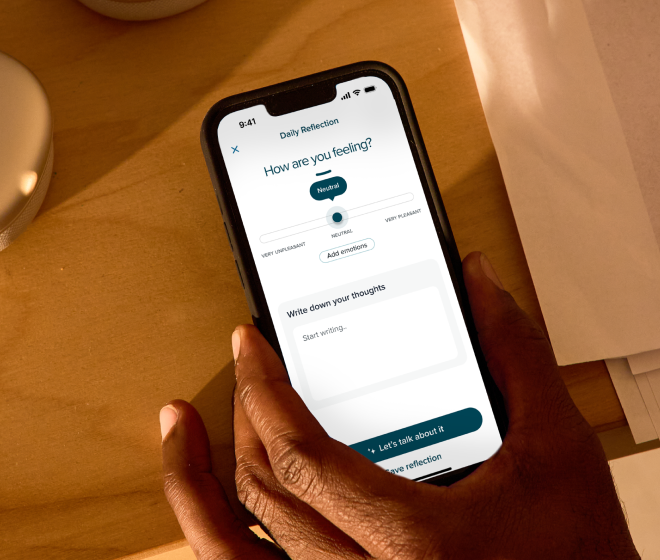
Schedule your first appointment and use your SonderMind account to manage sessions, track your progress, and access resources designed to support your mental health goals.

Get care this week

Stephanie Taylor, LCSW

Military/Veteran Anxiety Depression
“Successful treatment is different for everyone. We start with mutually agreed upon goals to ensure that you have tools needed to be successful.”

Jorge Pina, LCPC, LCMHC, LMHC

Relationships Military/Veteran Anxiety
“I provide a safe, creative, and supportive space where my clients can grow, reflect deeply, and make empowering decisions for their lives.”

David Jedrziewksi, LCMFT, LCMHC

Trauma Military/Veteran Grief

“I believe that no person should suffer with their issues alone. I apply a client-focused approach, working with you to achieve wellness in your life.”

What is the difference between therapy and psychiatry?

Therapy and psychiatry support mental health in different ways, and many people benefit from one or both. Understanding how each approach works can help you decide what type of care may be right for you.

Therapy
Psychiatry
What it is
Mental healthcare for emotional, behavioral, or relationship challenges, often involving guided conversation
Medical support for mental health conditions, often involving medication
Who you meet with
Licensed therapist (LPC, LCSW, LMFT, PhD/PsyD, etc.)
Licensed psychiatrist (MD, DO, or PMHNP)
What they do
Use evidence-based approaches (e.g., CBT, DBT, ACT) to support emotional regulation, coping skills, and growth
Evaluate symptoms, provide diagnoses if appropriate, and determine whether medication may support your care
Can they prescribe medication?
No
Yes
How sessions work
Weekly or biweekly ~60-minute conversations focused on support and skill-building
Starts with a 45–60 minute evaluation, followed by shorter, less frequent follow-ups
Best for
Building coping skills, navigating life transitions, improving relationships, processing emotions, and working through challenges like stress, anxiety, grief, or low mood
Evaluating symptoms, determining whether medication may be helpful, and managing mental health conditions through medical treatment
Does SonderMind offer therapy covered by insurance?
Yes. Many SonderMind therapists are in-network with major insurance plans, including Medicare, Medicare Advantage, TRICARE West, EAPs, HSA, and FSA options. Coverage and out-of-pocket costs vary by plan, and you can check your benefits before booking an appointment.
In what states does SonderMind provide therapy?

SonderMind therapists offer virtual, in-person, or hybrid care across all 50 states, depending on provider availability. You can browse therapists licensed in your area through our provider directory.

Does SonderMind offer in-person therapy?
Yes. Many SonderMind therapists offer in-person appointments, while others provide virtual care or a combination of both. You can filter providers based on your preferences when searching for care.
How much is a typical cash-pay therapy session with SonderMind?

Cash-pay therapy session costs vary based on provider rates and location. If you're not using insurance, SonderMind offers competitive self-pay options, and pricing details are shared before you schedule your appointment.

What therapy treatment approaches do SonderMind therapists offer?
SonderMind therapists use a wide range of evidence-based approaches, including Cognitive Behavioral Therapy (CBT), Dialectical Behavior Therapy (DBT), Acceptance and Commitment Therapy (ACT), psychodynamic therapy, trauma-informed approaches, and more. Your therapist will work with you to determine the approach that best supports your goals.
How do I know if I've found the right therapist?
A strong therapeutic relationship often includes feeling heard, supported, and comfortable discussing your concerns openly. The right therapist should help you make progress toward your goals while creating a safe, collaborative environment for growth.