Published: Thursday, October 9 2025
Last updated: Thursday, October 9 2025
Navigating The Storm: World Mental Health Day 2025
Written by: SonderMind
When the earth shakes, the winds howl, or a public health crisis sweeps across the globe, the immediate focus is often on physical safety and the preservation of infrastructure. We see images of rescuers, first responders, and emergency aid, but a silent storm rages within the hearts and minds of those affected.
It's a storm of fear, grief, and uncertainty that can have long-lasting effects. The connection between natural disasters and mental health is undeniable, creating a ripple effect of psychological trauma that can linger long after the initial event has passed. As the World Health Organization (WHO) reminds us, there is no health without mental health, and this is never truer than in the aftermath of a crisis.
This World Mental Health Day 2025, with its powerful focus on the urgent need to support the mental health and psychosocial needs of people affected by humanitarian emergencies, serves as a crucial call to action.
It's easy to overlook the emotional fallout of a disaster, but the statistics are sobering. The WHO reports that one in five individuals affected by a crisis will experience a mental health condition. Even beyond formal diagnoses, almost everyone experiences emotional distress and social disruption.
Crises tear at the very fabric of our lives, fracturing communities, separating families, and destroying homes. The loss isn't just physical, it's a loss of normalcy, security, and the social ties that ground us. Protecting the mental wellbeing of individuals during these times is not merely an act of kindness—it is a life-saving intervention that gives people the strength to cope, the space to heal, and the foundation to recover and rebuild, figuratively and literally.
The importance of community and connection
In the wake of a disaster, the first and most powerful form of support is often the community itself. Neighbors helping neighbors, community groups organizing aid, and faith leaders providing comfort all create a sense of shared purpose and solidarity. This kind of grassroots effort is vital for the emotional recovery of a community. It helps people feel less alone and provides them with a sense of agency in a situation where they may feel powerless.
The simple act of talking to someone who understands what you've been through can be a lifeline. A study in the Journal of Traumatic Stress found that social support is one of the strongest predictors of psychological resilience following a disaster. This highlights the importance of creating spaces, both physical and virtual, for people to connect and share their experiences.
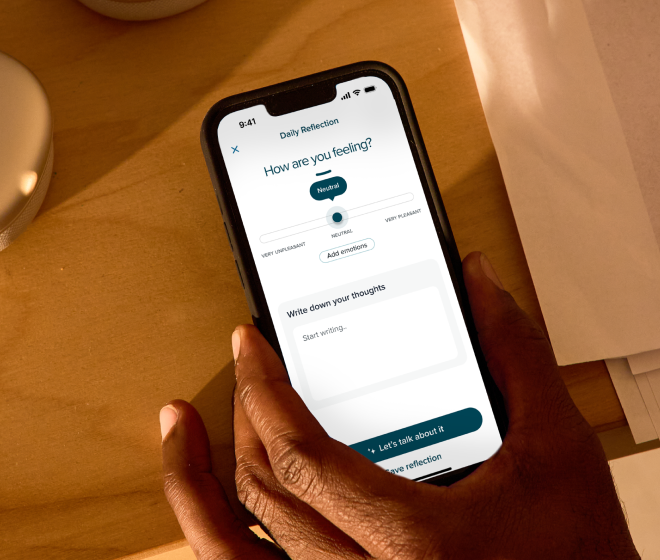
For many, a support group can be a first step, a non-judgmental space to explore difficult emotions. But if that’s not an option, free resources like the SonderMind app offer innovative self-care features available 24/7, as well as a clear and convenient path to accessing therapy and psychiatry services in all 50 states, covered by all major insurance carriers.
As one survivor of Hurricane Katrina, Damaris, shared, “I know I have PTSD…I am always in survival mode and don't know how to escape it.” Her experience, and that of many others, underscores the deep, lasting impact of trauma and the importance of having a safe space to share feelings with others who truly understand.
Reaching the most vulnerable
While community support is foundational, it's not always enough.
People with severe mental health conditions are especially vulnerable during emergencies and need access to mental health care and other basic needs immediately. Continuity of care is a priority during and following any emergency. This is particularly challenging for migrants and refugees, who face multiple stressors throughout their journey—from conflict and displacement to dangerous journeys and integration challenges in host countries. The WHO notes that these individuals, who have already endured so much, often have extremely limited access to mental health services.
Reaching these vulnerable populations requires a coordinated effort from government officials, health and social care providers, school staff, and community groups. It means integrating mental health support into existing emergency response systems. For example, a doctor treating a physical injury might also assess for emotional distress and connect the person with a mental health provider. A teacher helping a child with their homework can also be a watchful eye for signs of trauma.
By working hand in hand, we can ensure the most vulnerable have access to the support they need while protecting the wellbeing of the community. This involves investing in evidence-based and community-based interventions that address immediate needs and foster long-term recovery.
The WHO’s approach to natural disasters and mental health
These are not one-size-fits-all solutions. The WHO's layered approach to natural disasters and mental health acknowledges that different levels of need necessitate distinct types of support. From providing basic psychosocial support for everyone to offering specialized clinical care for those with severe mental health conditions, this model ensures that resources are allocated effectively. This is crucial in environments where resources are scarce and demand is high.
For example, in a refugee camp, initial support might focus on creating safe spaces for children and families, while a long-term plan would include training community members to become peer counselors and establishing a functional referral system to specialized medical services.
This tiered system ensures that mental health support is not an afterthought, but a central and strategic part of the humanitarian response. It moves beyond simply reacting to immediate crises and instead builds lasting resilience within communities. It’s a powerful investment in human potential, helping people to not only survive but also to heal and eventually thrive again. When we invest in the mental health of individuals affected by crisis, we are empowering them to regain their sense of self, rebuild their families, and contribute to the recovery of their communities. This approach is grounded in the conviction that everyone, regardless of their circumstances, has the right to live a life of dignity and hope.
A day of reflection
World Mental Health Day is an opportunity to reflect on the progress we've made and the work that remains. The theme of mental health and psychosocial support in humanitarian emergencies reminds us that compassion, community, and empathy are paramount in the face of adversity. This isn't just a job for government officials or aid organizations, but for every single person. However, the WHO does call on political and social leaders to provide substantial material support for people in need
By recognizing the profound link between natural disasters and mental health, and by implementing comprehensive, layered, and community-based support systems, we can empower people not only to survive but also to heal and eventually thrive again. It’s a powerful investment in human potential, grounded in the conviction that everyone, regardless of their circumstances, has the right to live a life of dignity and hope.