Published: Wednesday, April 22, 2026
Last updated: Tuesday, August 11, 2026
What to Expect at Your First Psychiatrist Appointment
Written by: SonderMind
Your first psychiatrist appointment probably feels like a lot of unknowns right now—what to bring, what you'll be asked, whether you'll leave with answers or more questions. The truth is, psychiatric care is more straightforward than most people expect. A little preparation beforehand makes a real difference, and it's much less intimidating once you know what's coming.
What to gather before your appointment
A psychiatric intake evaluation isn't a pop quiz, but arriving with a few key things makes the process run more smoothly for both you and your psychiatrist. Here's what to bring:
A medication list. Include every prescription you're currently taking, including dosages, as well as any supplements or over-the-counter medications. Your psychiatrist needs this to make safe recommendations.
A symptom timeline. Think back to when you first started noticing changes in your mood, sleep, energy, or behavior. You don't need it perfectly mapped out, but a general sense of when your symptoms started will be extremely helpful for your psychiatrist.
Family mental health history. Mental health conditions often run in families. If you know of any first-degree relatives who've had depression, anxiety, bipolar disorder, or similar diagnoses, bring that up.
Your insurance card and a photo ID. Practical, but easy to forget.
Any prior medical records. If you've been in therapy before or seen another provider for mental health, those notes can give your psychiatrist valuable context.
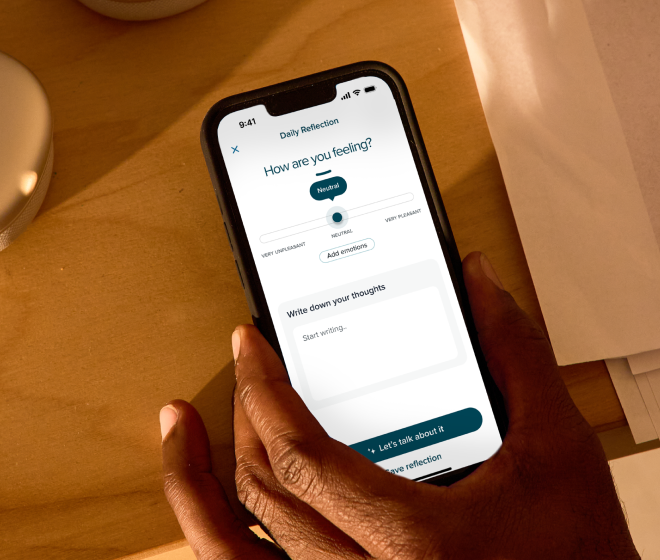
If you can’t track down all of this information, don’t sweat it. While it’s nice to have, it’s part of your psychiatrist's job to help you make sense of what you're experiencing, not to judge how prepared you were. If you're not sure where to start, tracking your mood and symptoms in the days leading up to your appointment can help you organize your thoughts.
What happens during a psychiatric evaluation
A psychiatric evaluation typically lasts between 45 and 90 minutes, compared to a typical follow-up appointment, which usually lasts about 30 minutes. Your psychiatrist will ask questions across several areas of your life, including:
- Your current symptoms. What's been bothering you, how often it happens, and how much it's affecting your daily life
- Sleep, appetite, and energy. These are reliable indicators of what's happening mentally and physically
- Substance use and addictive behaviors. Recreational and non-recreational, including sports gambling.
- Personal and family history. Past trauma, significant life events, and the mental health history you gathered before the appointment
- Current stressors. Work, relationships, finances, and any other context affect your emotional state.
Most people seek out a psychiatrist looking to learn more about medication options, but that doesn’t mean you’ll leave that day with a prescription. Some do, but some also leave with a referral to a therapist, lifestyle recommendations, or a plan to monitor symptoms over time before making any decisions. It depends entirely on your situation.
If medication is recommended, your psychiatrist will walk you through the options, explain what the medication does, and answer your questions before anything is prescribed. A follow-up is typically scheduled within two to four weeks to check in on how things are going.
What comes after your first appointment
If medication was prescribed: Psychiatric medications don't work overnight. Antidepressants like SSRIs, for example, often take two to six weeks to reach full effect and to recognize any potential side effects. Your psychiatrist will let you know what timeline to expect for your specific prescription. In the meantime, track how you're feeling. Even rough notes in your phone can help you give useful feedback at your follow-up.
If medication wasn't prescribed: Your next steps might include starting therapy, making specific lifestyle changes, or returning for a follow-up after a set period of time to reassess. Either way, the first appointment is as much a data-gathering session as anything else.
What to track between the first appointment and the follow-up
The first medication isn't always the right fit for everyone, and that's not a failure—it's just how psychiatric care works. Psychiatric care is, at its core, iterative. Your feedback helps your psychiatrist make adjustments to your prescription medication, so keep a close eye on how you're feeling between appointments:
- Energy levels
- Sleep quality and duration
- Mood patterns throughout the day
- Any side effects if you started a medication
- Moments that felt notably better or worse than usual
Specific questions you might ask your psychiatrist during the first appointment
A first psychiatric appointment covers a lot of ground quickly. Most people leave with more information than they expected and less time than they needed. These questions are worth writing down before you go—they're the ones that tend to get forgotten once the conversation gets clinical.
- How long does it typically take to find the right medication or dose?
- What side effects should I watch for, and at what point would those be a reason to call you?
- How will we measure whether the treatment is working?
- Is there anything I should track or log before our next session?
The hardest part is already behind you
So much of what holds people back from psychiatric care isn't the care itself. It's the story we tell ourselves about what it means to need it. That it means weakness, or brokenness, or being beyond help.
But walking into that appointment is evidence of something very different. It's a clear signal that you're paying attention to yourself, taking your wellbeing seriously, and are willing to do something about it. Whatever comes next—medication, therapy, more questions than answers—you showed up. And that part matters more than most people give themselves credit for.
Frequently asked questions (FAQs) before the first psychiatry appointment
How long does a first psychiatrist appointment take?
Most initial evaluations run between 45 and 90 minutes. Follow-up appointments are usually much shorter, ranging from 15 to 30 minutes.
Do psychiatrists prescribe medication on the first visit?
They might, but it's not a given. Your psychiatrist will assess your symptoms and history before making any recommendations. Some people leave with a prescription, and others leave with a referral or a monitoring plan.
What should I be honest about at my first psychiatry appointment?
Be as open as you can. Psychiatrists are trained to handle difficult information — the more accurate a picture they have of your life and symptoms, the better they can help. Leaving things out to seem "less bad" can make it harder to get the right support.
What's the difference between a psychiatrist and a therapist?
Psychiatrists are medical doctors who can diagnose mental health conditions and prescribe medication. Therapists focus on talk therapy and behavioral strategies. Many people work with both, and understanding which you might need is a great starting point.
This article is for informational purposes only and does not constitute medical advice. If you're experiencing a mental health crisis, please contact the 988 Suicide and Crisis Lifeline by calling or texting 988.
8 Sources
- Retrieved from http://sondermind.com/psychiatry
- Retrieved from https://www.sondermind.com/online-therapy/
- Retrieved from https://www.sondermind.com/resources/articles-and-content/sports-gambling-addiction/
- Retrieved from https://www.sondermind.com/resources/articles-and-content/financial-anxiety/
- Retrieved from https://www.sondermind.com/resources/articles-and-content/ssris-and-sex-drive/
- Retrieved from http://sondermind.com/online-therapy
- Retrieved from https://www.sondermind.com/resources/articles-and-content/can-psychiatrists-prescribe-medication/
- Retrieved from https://www.sondermind.com/resources/articles-and-content/psychiatry-vs-psychotherapy/