FAQs - Therapy
How do I find a SonderMind therapist?
After answering a few questions, online or over the phone, we use proven insights to find the best clinical match for your needs. We'll also take into account any preferences or criteria you request, like gender or cultural similarities. We do the work of finding the ideal provider for you. Click here to get started.
What should I expect at my first therapy appointment?
The first therapy appointment is typically longer than follow-up appointments so your therapist can get to know more about you. You’ll cover things like your background and reasons for coming in, as well as what to expect and how your therapist will conduct sessions. We've put together a handy Q&A for your reference when preparing for your first therapy session.
What insurance networks are accepted for therapy?
How much will an appointment cost for talk therapy?
Your out-of-pocket costs for care can vary greatly depending on your individual insurance plan, applicable copays, and deductibles. We recommend calling your health plan directly to determine what your out-of-pocket costs will be for mental health care. If you aren't using insurance, learn more about self-pay rates here.
How long does therapy take for depression?
Therapy isn’t a one-size-fits-all approach, so your time in care will vary. For some individuals, a few sessions may be enough to see a noticeable improvement with their depression. Others may benefit from ongoing therapy for a longer period. Your length of care is generally determined by the goals you set and the treatment plan written by your therapist. The treatment plan is just that, a plan. It helps guide the course of your treatment, but it may need to be adjusted. Different types of therapeutic approaches have different durations as well. Your progress in therapy and the time it takes to achieve your goals will also be determined by the consistency and frequency of sessions. A 2019 BMC Psychiatry study finds that going to therapy more often at the start of treatment leads to improved outcomes, and similar studies find that weekly sessions are linked to a higher likelihood of achieving therapy goals. SonderMind offers a convenient way to track your progress with Clinical Questionnaires (CQs), a data-driven tool designed to determine if the current approach is working for you.
What do therapists do for depression?
A licensed therapist can help you identify and change emotions, thoughts, and behaviors that may be contributing to depression. Talk therapy can help you cope with and ease depression symptoms. There are many different types of talk therapy that may benefit someone experiencing depression, such as Cognitive Behavioral Therapy (CBT), Dialectical Behavior Therapy (DBT), Exposure Therapy, or Interpersonal Therapy (IPT). The talk therapy that’s right for you will depend on your unique needs.
When you first begin talk therapy, you’ll work one-on-one with your therapist to explore your symptoms and concerns, as well as the goals you want to achieve. These initial conversations will help your therapist determine your unique needs. Then, they’ll work with you to develop a treatment plan for depression based on your specific goals.
How long does therapy take for anxiety?
Therapy isn’t a one-size-fits-all approach, so your time in care will vary. For some individuals, a few sessions may be enough to manage their anxiety effectively. Others may benefit from ongoing therapy for a longer period. Your length of care is generally determined by the goals you set and the treatment plan written by your therapist. The treatment plan is just that, a plan. It helps guide the course of your treatment, but it may need to be adjusted. Different types of therapeutic approaches have different durations as well. Your progress in therapy and the time it takes to achieve your goals will also be determined by the consistency and frequency of sessions. A 2019 BMC Psychiatry study finds that going to therapy more often at the start of treatment leads to improved outcomes, and similar studies find that weekly sessions are linked to a higher likelihood of achieving therapy goals. SonderMind offers a convenient way to track your progress with Clinical Questionnaires (CQs), a data-driven tool designed to determine if the current approach is working for you.
What do therapists do for anxiety?
Therapists typically use behavioral therapy, a type of psychotherapy, to help patients manage and treat anxiety. That’s just a fancy way of saying their goal is ultimately to help you change your behaviors and treat anxiety at the source. Different therapists will have different therapeutic approaches for anxiety, but some common ones are Cognitive Behavioral Therapy (CBT), Acceptance and Commitment Therapy (ACT), Mindfulness-Based Cognitive Therapy (MBCT), Dialectical Behavioral Therapy (DBT), exposure therapy, or Applied Behavioral Analysis (ABA). A behavioral therapist will also help you develop strategies and skills that you can apply throughout your day-to-day life. They will also be there to provide ongoing support when questions or issues arise.
What do I do if my therapist has not joined a scheduled session?
If your therapist has not joined a scheduled session we recommend contacting them directly using the messaging application in your account or the contact information listed in their profile. If you are unable to connect with them after 15 minutes please contact us for further assistance.
What are the symptoms of anxiety?
Symptoms of anxiety vary from person to person and may include physical, emotional, and cognitive signs. Although these are common symptoms of anxiety, they don't always indicate a diagnosis. It's important to seek guidance from a mental health professional for an accurate assessment.
- Rapid heart rate
- Shortness of breath
- Increased irritability
- Trouble concentrating
- Restlessness
- Trouble relaxing
- Avoidance of situations, people, places, or other anxiety triggers such as social situations
How can I figure out anxiety triggers?
You can work on determining what triggers your anxiety symptoms with a mental health professional. Some ways to determine triggers are:
- Writing in a journal
- Thinking about your past experiences
- Working with a therapist to identify root causes and patterns
- Recognizing any major stressors you might be dealing with
Is online therapy the right choice for me?
Online therapy gives you the same one-on-one support as in-person care, with the benefit of added convenience. Meeting from home makes it easier to fit sessions into your schedule and can help you feel more comfortable in a familiar space.
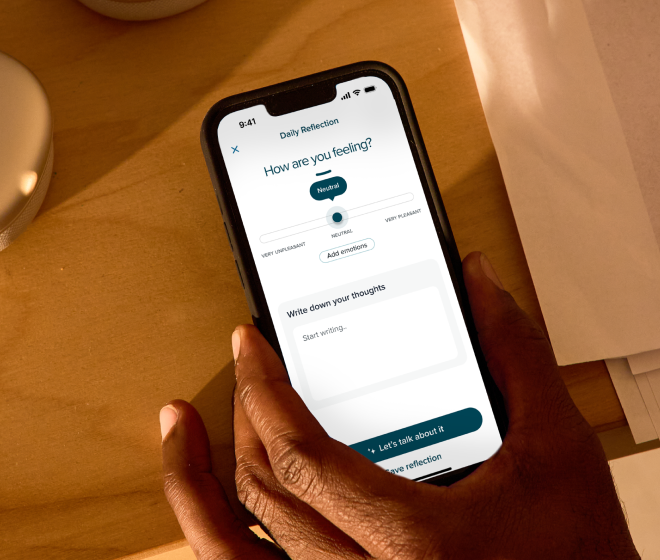
Download the free SonderMind mobile app
Download the App